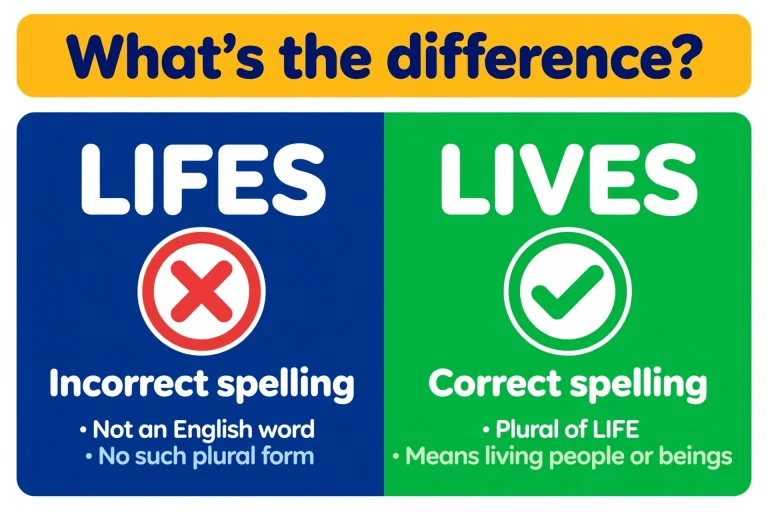
Seel or Seal: What’s the Difference? (With Examples)
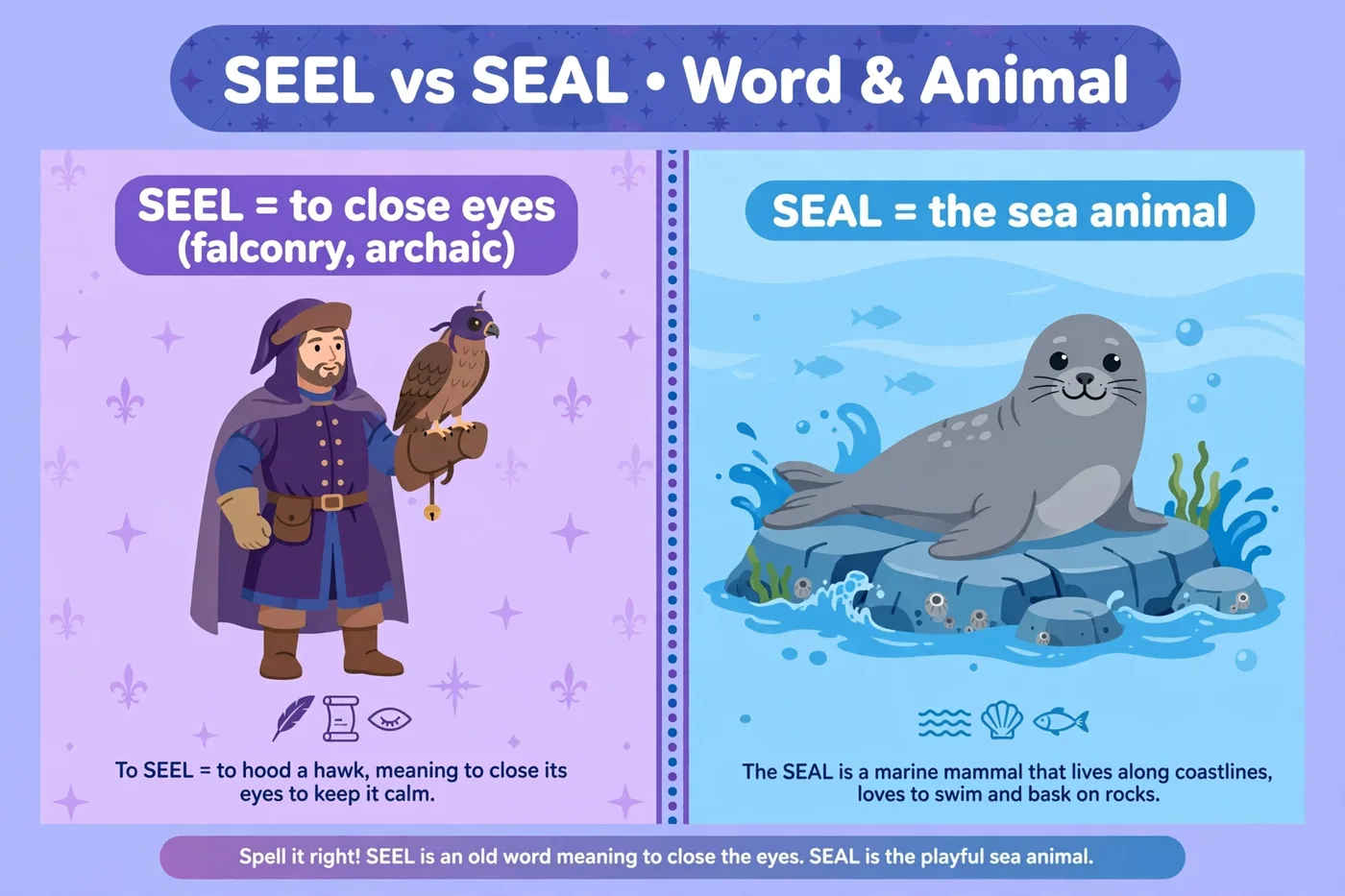
Seel is an archaic verb meaning to close or sew the eyes shut — falconers once seeled hawks to keep them calm. Seal is the marine mammal, or the act of closing something shut: “The seal slipped off the rock” / “Seal the envelope.”
For example, “The falconer seeled the young hawk” describes an old training practice. “The falconer watched the seal” describes an animal on the shore. Modern writers almost always mean seal.
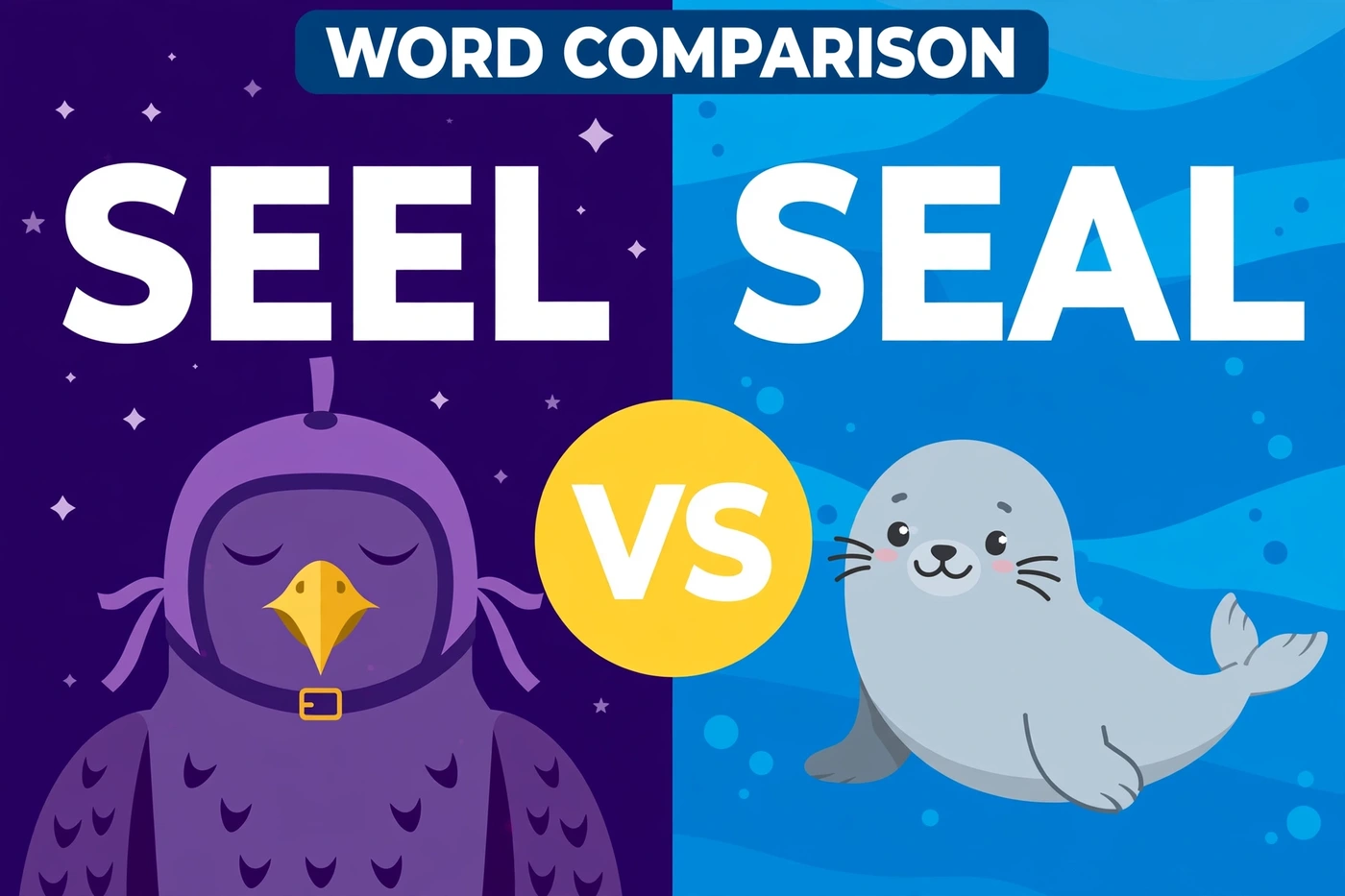
Table of Contents
Quick Answer
| Word | Part of Speech | Main Meaning | Example |
|---|---|---|---|
| Seel | Verb (archaic) | To close the eyes, especially of a hawk | The falconer seeled the restless bird. |
| Seal | Noun / Verb | A marine mammal; to close shut or stamp | A seal barked on the beach. / Seal the jar tightly. |
Simple rule: Unless you are writing about falconry or archaic literature, the word you want is seal. Seel survives mainly in old texts.
What Does Seel Mean?
Seel means to close the eyes of a hawk by stitching or covering its eyelids — a falconry practice from centuries past, meant to calm a newly captured bird. Shakespeare used it figuratively: in Antony and Cleopatra, he writes of “seeling night,” blindness creeping over the eyes. The word comes from Old French ciller, to blink, and it is labeled archaic or obsolete in modern dictionaries.
Examples:
- The falconer seeled the young hawk to quiet it before training.
- Seeling was standard practice in medieval falconry.
- “Seeling night,” as Shakespeare called it, was blindness creeping over the eyes in his plays.
- In the old poem, age had seeled the hunter’s failing eyes.
What Does Seal Mean?
Seal has two main families of meaning. As a noun, it is the flippered marine mammal of cold coasts — or the stamp, wax impression, or tight closure that keeps something shut. As a verb, it means to close securely, to authenticate with a stamp, or to settle decisively (“seal the deal”). Merriam-Webster lists the seal’s animal sense alongside its “tight and perfect closure” sense, showing how far this one spelling stretches.
Examples:
- A grey seal basked on the rocks at low tide.
- Seal the envelope before you mail the letter.
- The notary placed her seal on the contract.
- Check that the lid’s seal is airtight before storing leftovers.
- The last goal sealed the team’s victory.
Seel vs. Seal: Key Differences
| Feature | Seel | Seal |
|---|---|---|
| Status in modern English | Archaic / obsolete | Fully current |
| Core meaning | To close eyes shut | Marine animal; to close shut |
| Where you meet it | Old texts, Shakespeare, falconry history | Everyday speech and writing |
| Part of speech | Verb only | Noun and verb |
| Pronunciation | SEEL (same as seal) | SEEL (same as seel) |
The two words sound identical, so the spelling is the entire difference — and seel is nearly always a historical curiosity.
Usage in Real Sentences
At Home
“Seal the leftovers in a container.” Nobody seeled anything at the dinner table; the everyday verb is seal.
At Work
“We need a notary seal on this document.” A seal authenticates paperwork; seel has no office use.
In Conversation
“We saw a seal at the aquarium.” If someone writes “we saw a seel at the aquarium,” it is a misspelling, not falconry.
Common Mistakes
Same-sound pairs like these trip writers up — compare sound-alike word pairs like isle vs aisle and look-alike confusables like desert vs dessert.
Mistake 1: Writing “seel” for the animal
❌ “A seel swam beside the boat.”
✅ “A seal swam beside the boat.”
Why: The animal is always seal; seel is a verb about closing eyes.
Mistake 2: Writing “seel” when closing something
❌ “Please seel the package.”
✅ “Please seal the package.”
Why: Closing an envelope or jar takes seal.
Mistake 3: Writing “seal” for the falconry verb
❌ “The trainer sealed the hawk’s eyes.”
✅ “The trainer seeled the hawk’s eyes.”
Why: In a historical text about falconry, the correct archaic verb is seel — though most modern writers would rephrase it (“the trainer covered the hawk’s eyes”).
Mistake 4: Using seel in modern writing
❌ “The deal was seeled at midnight.”
✅ “The deal was sealed at midnight.”
Why: Seel never meant “close a deal”; only seal carries that sense.
Pronunciation
Both words are pronounced SEEL (rhymes with “feel,” “heel,” and “wheel”). They are true homophones, which is exactly why writers need the spelling distinction.
How to Remember the Difference
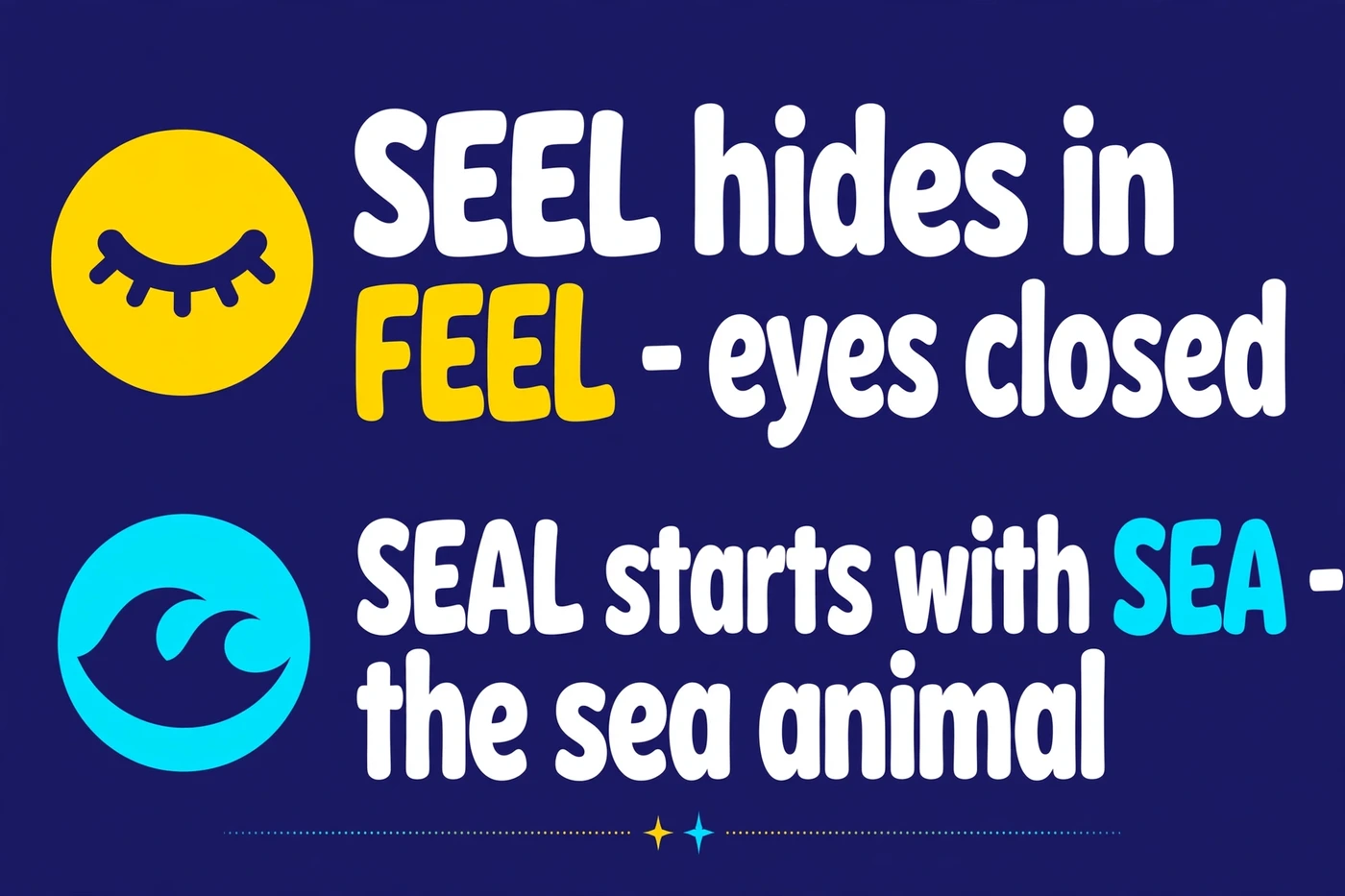
Seel hides inside feel — eyes that can no longer feel the light, closed shut. Seal starts like sea — the animal lives in the sea, and a tight closure keeps the sea water out.
- Seel = old word, ee like feel — eyes closed in the past.
- Seal = seal — the sea animal, and the tight closure.
- If the sentence is not about hawks or Shakespeare, write seal.
Frequently Asked Questions
Is it seel or seal?
Almost always seal — the animal, or the act of closing something. Seel is an archaic verb about closing eyes, seen only in old literature and falconry history.
What does “seel” mean in Shakespeare?
To close or blind the eyes. When Shakespeare writes of eyes being seeled, he means sight being shut off, sometimes figuratively for ignorance or sleep.
Is “seel” still used today?
Only in historical writing about falconry and in discussions of archaic language. Modern dictionaries mark it obsolete or archaic.
Do seel and seal sound the same?
Yes. Both are pronounced SEEL, rhyming with “feel.” The difference is purely in spelling and meaning.
Where does “seel” come from?
From Old French ciller, meaning to blink or close the eyes. It entered English through medieval falconry, where seeled hawks were calmer and easier to train.
Are “seel” and “seal” related words?
No — their resemblance is a coincidence. Seel comes from Old French ciller, to blink; the seal animal comes from Old English seolh; and the seal meaning a stamp or closure comes from Latin sigillum, a little sign. Three different roots happened to land on the same sound.
Can “seal” be a verb?
Yes: to seal an envelope, seal a deal, or seal a jar. It is one of the most common verbs in everyday English.
Conclusion
Seel is an archaic verb for closing a hawk’s eyes, while seal is the marine mammal and the everyday verb for closing things shut. In any modern sentence, seal is the word you want.