Synonyms for Lost: 16+ Words With Examples
Lost is one of the busiest words in English — it covers misplaced keys, defeated armies, wandering travelers, and wasted chances. Each meaning deserves its own sharper word. Below are the best synonyms for lost, grouped by nuance, each with a definition and a natural example sentence. The Merriam-Webster thesaurus entry for lost is worth a look too, but a flat list will not tell you which word fits your sentence — this guide will.
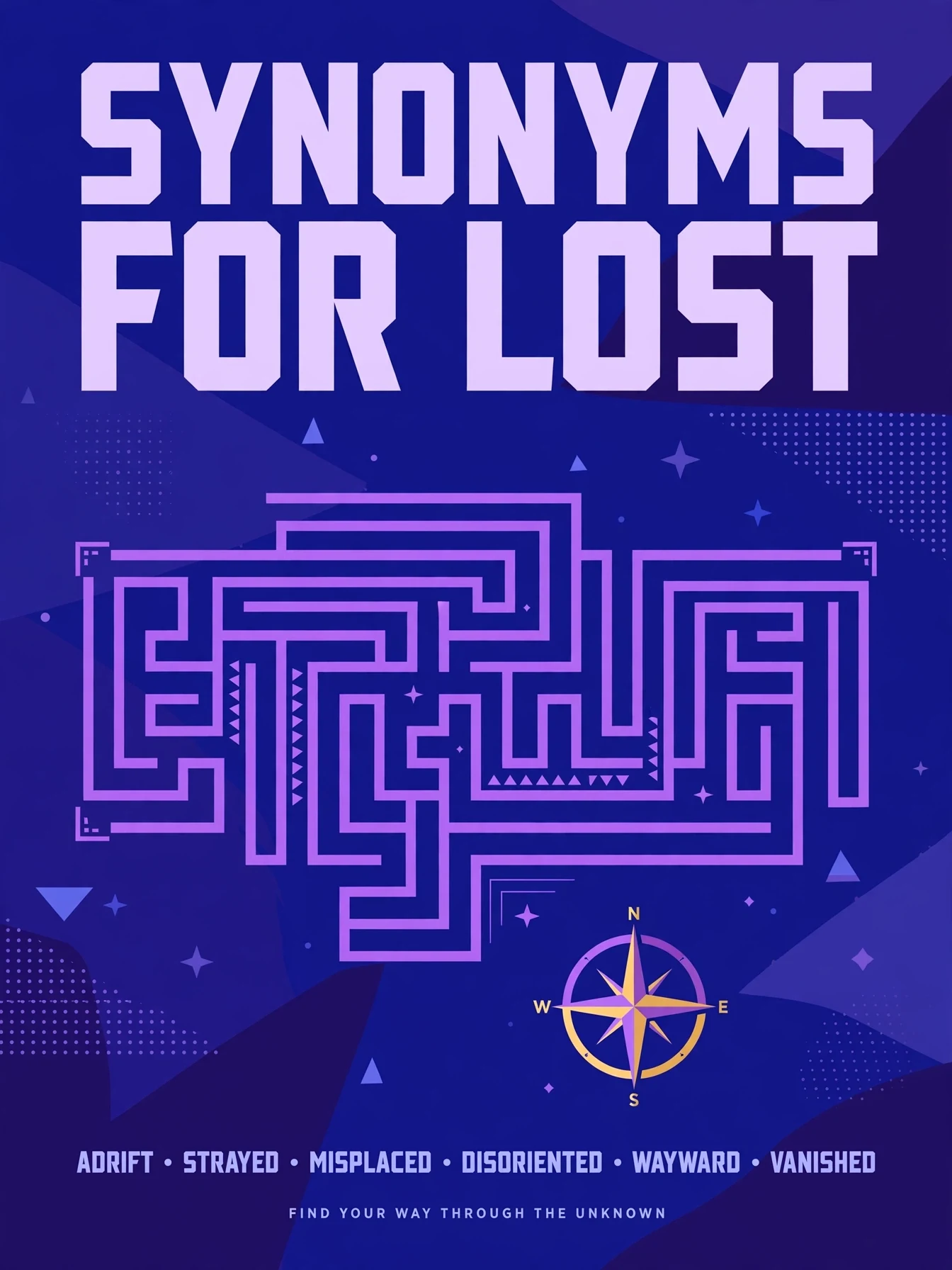
Table of Contents
Quick Answer
Here are 12 of the strongest synonyms for lost at a glance, matched to the situation each one fits.
| Word | Nuance / When to use it |
|---|---|
| misplaced | Put somewhere wrong; you may still find it |
| missing | Absent and unaccounted for; neutral and factual |
| mislaid | Temporarily misplaced through carelessness |
| gone | No longer here; casual and final-sounding |
| defeated | Beaten in a contest, battle, or effort |
| vanquished | Thoroughly defeated; formal and dramatic |
| bewildered | Confused and unsure which way to turn |
| disoriented | Having lost your bearings, literally or mentally |
| adrift | Floating without direction or purpose |
| astray | Off the right path, morally or literally |
| wasted | Spent with nothing to show for it |
| squandered | Wasted recklessly, especially money or chances |
Simple rule: ask what was lost — an object, a contest, your bearings, or an opportunity — and the right synonym follows.
Misplaced and Missing
When something is not where it should be, these words pin down exactly how it went missing.
- misplaced — put in the wrong place; it probably still exists and can be found. Example: I misplaced my glasses somewhere between the kitchen and the car.
- missing — absent and unaccounted for; the neutral, factual choice. Example: Two pages are missing from the middle of the report.
- mislaid — temporarily misplaced through forgetfulness or carelessness. Example: She mislaid her passport the morning of the flight.
- gone — no longer present; casual and slightly final. Example: By the time we arrived, all the good seats were gone.

Defeated and Overcome
For contests, battles, and efforts that did not go your way, these words carry the weight of the loss.
- defeated — beaten in a contest, election, battle, or effort. Example: The champion was defeated in straight sets.
- beaten — overcome by an opponent or by circumstances; direct and plain. Example: They were beaten by a stronger, faster team.
- vanquished — thoroughly and decisively defeated; formal and dramatic. Example: The novel ends with the villain vanquished and the kingdom at peace.
- conquered — overcome completely, often after a long struggle. Example: After years of practice, she finally conquered her fear of public speaking.
Disoriented and Astray
When people — not objects — are lost, these words describe confusion, wandering, and losing your way.
- bewildered — confused and unsure which way to turn. Example: The bewildered tourists stared at the subway map in silence.
- disoriented — having lost your bearings, literally in space or mentally. Example: He woke up disoriented in the unfamiliar hotel room.
- adrift — floating without direction or purpose, literally or figuratively. Example: After graduation, she felt adrift with no job and no plan.
- astray — off the right path, whether a road or a moral course. Example: A wrong turn led them astray into a maze of side streets.
Wasted and Gone Forever
Some things are lost because they were spent badly or can never come back. This group says so directly.
- wasted — spent or used with nothing to show for it. Example: Three wasted hours on hold left him furious.
- squandered — wasted recklessly, especially money, time, or chances. Example: He squandered his inheritance within two years.
- forfeited — lost as a penalty or by giving up a right. Example: The team forfeited the match after fielding an ineligible player.
- irretrievable — impossible to get back; gone permanently. Example: Without a backup, those photos are irretrievable.
Common Mistakes
Lost collides with several look-alikes — much like the classic loose vs lose confusion — and writers who trip on one tricky pair often stumble over desert vs dessert too. Avoid these four mistakes:
Mistake 1: Confusing lost with loose
❌ Wrong: I loose my keys every morning.
✅ Better: I lose my keys every morning. (past: I lost my keys)
Why: Loose means not tight or not fixed in place; lose is the verb for misplacing something. They sound similar but share no meaning.
Mistake 2: Confusing lost with loss
❌ Wrong: The company reported a big lost this quarter.
✅ Better: The company reported a big loss this quarter.
Why: Lost is the past tense of lose; loss is the noun. You suffer a loss; you lost the game.
Mistake 3: Writing “we are lost the game”
❌ Wrong: We are lost the match.
✅ Better: We are losing the match. / We lost the match.
Why: “Are lost” means you cannot find your way. For a contest, use the progressive losing or the simple past lost.
Mistake 4: Saying “he is lost” without context
❌ Wrong: After the news, he is lost. (lost how?)
✅ Better: After the news, he felt adrift and bewildered.
Why: Bare “lost” can mean dead, missing, defeated, or confused. When the meaning matters, pick the precise synonym instead of leaving readers guessing.
How to Choose the Right Synonym
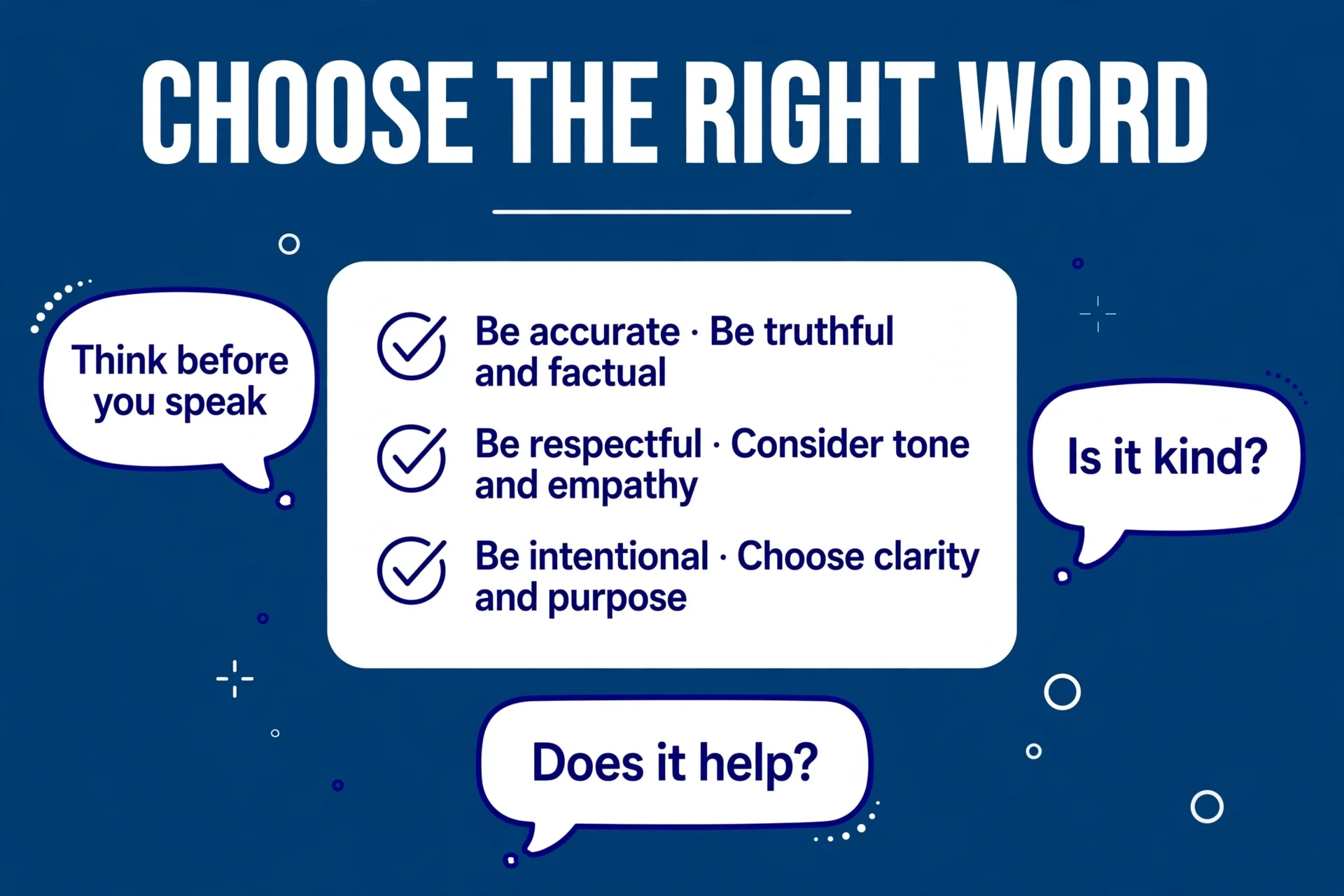
- Identify what was lost. An object calls for misplaced, missing, or mislaid; a contest calls for defeated or beaten; your bearings call for disoriented or adrift; an opportunity calls for wasted or squandered.
- Decide how permanent it is. Mislaid hints the thing will turn up; irretrievable says it never will. Do not promise recovery with the wrong word.
- Watch the tone. Vanquished and irretrievable are dramatic and formal; gone and beaten are plain and casual. Match the word to the weight of the moment.
- Be kind with people. Calling a grieving person “lost” is vague; bewildered, adrift, or disoriented describe the feeling without reducing the person to it.
- Prefer the specific over the general. “Squandered” tells a whole story that “lost” only gestures at — precision is what synonyms are for.
Frequently Asked Questions
What is a synonym for lost?
It depends on the meaning: misplaced or missing for objects, defeated or beaten for contests, bewildered or adrift for people who have lost their way, and wasted or squandered for opportunities. Context picks the synonym.
What is the difference between lost and loose?
Lost is the past tense of lose, meaning misplaced or defeated. Loose is an adjective meaning not tight or not firmly fixed. “I lost my keys” is correct; “my shoelaces are loose” is correct — they are never interchangeable.
Is “loss” or “lost” the noun?
Loss is the noun: “the loss of the championship.” Lost is the past tense and past participle of the verb lose: “we lost the championship.” Mixing them up is one of the most common spelling errors in English.
What is a formal synonym for lost?
Vanquished suits formal writing about defeat, irretrievable fits permanent loss, and disoriented works in clinical or literary descriptions of confusion.
Can “lost” mean dead?
Yes, as a euphemism — “we lost him last year” usually means he died. Because of this, avoid bare “lost” for people when you mean confused or wandering; use bewildered or adrift instead.
Conclusion
Lost is a shortcut word, and shortcuts cost you precision. Whether your keys are mislaid, your team was defeated, or your afternoon was squandered, the exact synonym tells the fuller story. Choose it, and your readers will never have to guess what you meant.