Further or Farther: What Is the Difference?
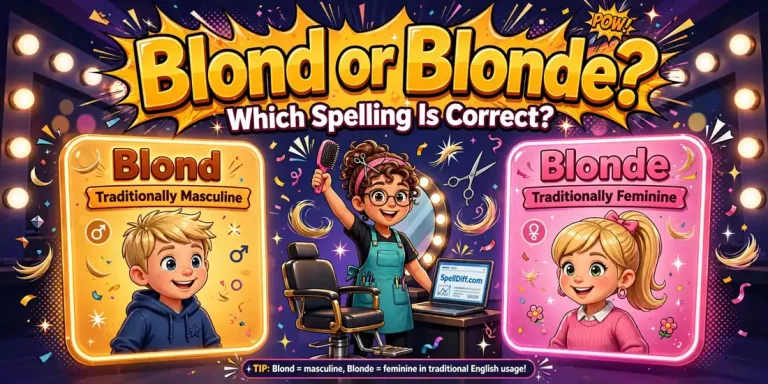
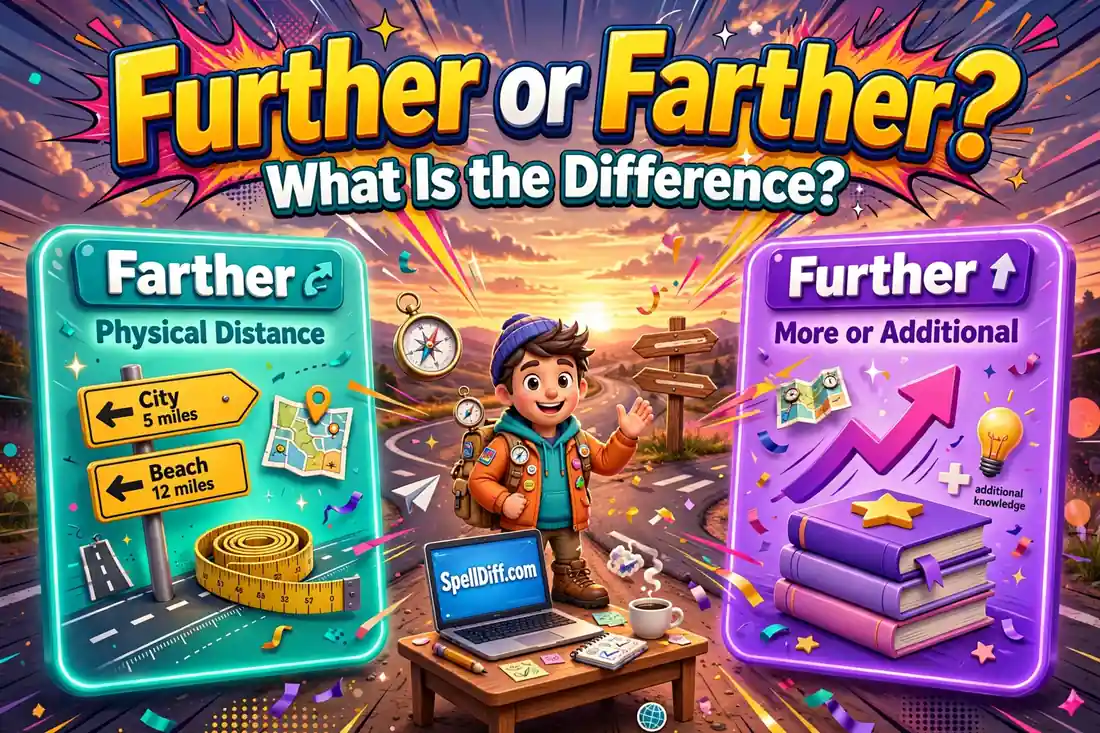
Further and farther are both correct words, but they are not always interchangeable. Use farther mainly for physical distance. Use further for additional information, greater extent, or progress. However, both words can describe distance, especially in British English.
For example, “The next town is farther away” refers to physical distance. “We need to discuss this further” means we need to discuss it more.
Quick Answer
Examples:
Further vs. Farther: Quick Facts
| Feature | Further | Farther |
| Main meaning | More, additional, or to a greater extent | To a greater physical distance |
| Refers to physical distance | Yes | Yes |
| Refers to figurative distance | Yes | Less common |
| Means “additional” | Yes | No |
| Can be a verb meaning “advance” | Yes | No |
| Common in American English | Yes | Yes |
| Common in British English | Especially common for distance | Also used |
| Example | We need further details. | Walk farther down the path. |
What Does Further Mean?
Further means more, additional, or to a greater extent. It can also describe a greater physical distance.
It works as an adjective, adverb, and verb. Its meaning depends on the sentence.
1. Further Means Additional or More
Use further when you mean something extra or additional.
Examples:
In these sentences, further means “more” or “additional.” You cannot replace it with farther without changing the meaning or making the sentence incorrect.
2. Further Means To a Greater Extent
Use further when something continues, develops, or reaches a greater degree.
Examples:
Here, further refers to greater progress, depth, or extent rather than a measurable physical distance.
3. Further Can Refer to Physical Distance
Although farther is often preferred for literal distance, further can also describe how far someone or something travels.
Examples:
These sentences are correct. The use of further for physical distance is especially common in British English, but it also occurs in American English.
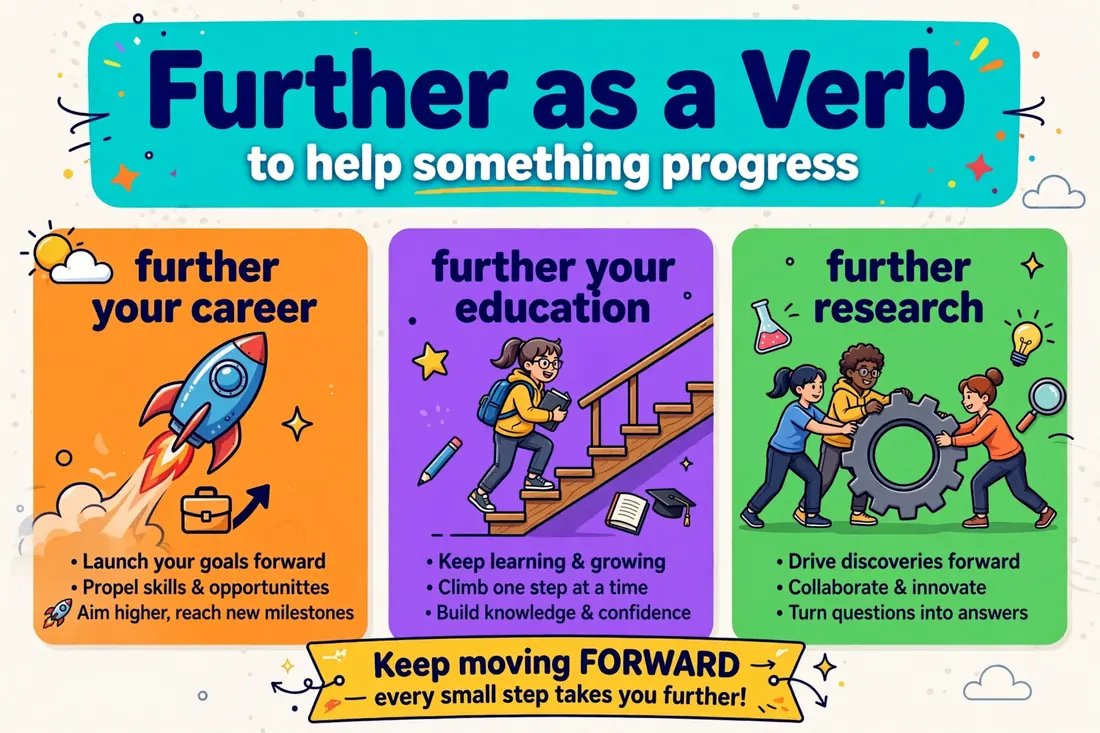
4. Further as a Verb
Further can also mean to help something progress or succeed.
Examples:
In this meaning, further is a verb. Farther cannot replace it.
Incorrect: The training will farther her career.
Correct: The training will further her career.
What Does Farther Mean?
Farther usually means at or to a greater physical distance. It compares how far away two places, objects, or people are.
It is commonly used as an adjective or adverb.
1. Farther Refers to Physical Distance
Use farther when describing measurable or physical distance.
Examples:
In each sentence, farther describes distance in space.
2. Farther as an Adverb
An adverb can explain how far an action happens. Farther often modifies verbs related to movement.
Examples:
3. Farther as an Adjective
Farther can also describe a noun by identifying its greater distance.
Examples:
In these examples, farther describes a place, side, route, or region.
Key Differences Between Further and Farther
The easiest way to understand the difference is to consider what the sentence describes.
| Situation | Preferred word | Example |
| Physical distance | Farther | The airport is farther away. |
| Additional information | Further | Please provide further details. |
| Greater progress | Further | We need to develop the plan further. |
| Physical distance in British English | Either | We walked further/farther. |
| Helping something advance | Further | This will further our goals. |
| Additional questions | Further | Are there any further questions? |
The traditional guideline is simple: farther for physical distance and further for figurative distance or additional information.
However, modern English usage is more flexible. Many dictionaries accept further for physical distance too.
When Should You Use Further?
Choose further when you mean “more,” “additional,” or “to a greater extent.”
It is also useful when discussing progress, development, or an idea that needs more attention.
Use Further in These Expressions
Further information
Please email the office for further information.
Further details
The manager promised to share further details.
Further discussion
We need further discussion before approving the proposal.
Further research
Further research may help explain the results.
Further action
The company will consider further action.
Further notice
The building will remain closed until further notice.
These expressions use further to mean additional or more. Farther does not fit these meanings.
When Should You Use Farther?
Choose farther when you want to emphasize physical distance.
It is especially useful when comparing locations, travel distances, or movement.
Use Farther in These Expressions
Farther away
The new apartment is farther away from my workplace.
Farther down the road
The gas station is farther down the road.
Farther from home
Their new school is farther from home.
Farther than expected
We had to drive farther than expected.
Farther along the path
The hikers continued farther along the path.
These examples describe distance that can usually be measured or pictured.
Can Further and Farther Both Be Used for Distance?
Yes. Both words can describe physical distance.
For example:
Both sentences are acceptable.
The preference can depend on region and writing style. In North American English, farther is often preferred for physical distance. In British English, further is especially common for this purpose.
When precision matters, use farther for measurable physical distance. Use further for additional information or progress.
American vs. British English
The distinction between these words is not simply American versus British spelling. Both forms exist in both varieties.
However, their preferences can differ.
American English
American writers often use farther for physical distance and further for figurative distance or additional information.
Examples:
This pattern is a useful guide for US-focused writing.
British English
British English commonly uses further for physical distance. Farther is also understood and accepted.
Examples:
British writers can also use farther when referring to distance.
What About Canadian English?
Canadian English uses both words. The traditional distinction is also useful in Canadian writing:
However, further can also describe physical distance.
Examples of Further and Farther in Sentences
The following examples show how each word works in everyday writing.
Examples Using Further
Examples Using Farther
Examples Where Both Words Work
Both versions can be correct when the meaning is physical distance. The preferred form may depend on the variety of English.
Common Mistakes With Further and Farther
1. Using Farther to Mean Additional
Incorrect: Please send me farther information.
Correct: Please send me further information.
Use further when you mean extra or additional.
2. Using Farther as a Verb
Incorrect: The program will farther your career.
Correct: The program will further your career.
Further can mean to advance or promote progress. Farther cannot be used this way.
3. Assuming Further Can Never Describe Physical Distance
This is a common misunderstanding. Further can refer to physical distance.
We walked further along the trail.
The sentence is acceptable, particularly in British English.
4. Treating the Traditional Rule as Absolute
The distinction between literal and figurative distance is helpful. However, actual usage is not always strict.
For example:
How much further is the airport?
This is widely understood and accepted. You do not need to change it automatically to farther.
5. Using Both Forms Without Considering Meaning
Sometimes changing the word changes the sentence’s meaning.
Compare:
The first sentence refers to distance. The second means the discussion should continue.
Further vs. Farther: A Simple Memory Trick
Use this quick method:
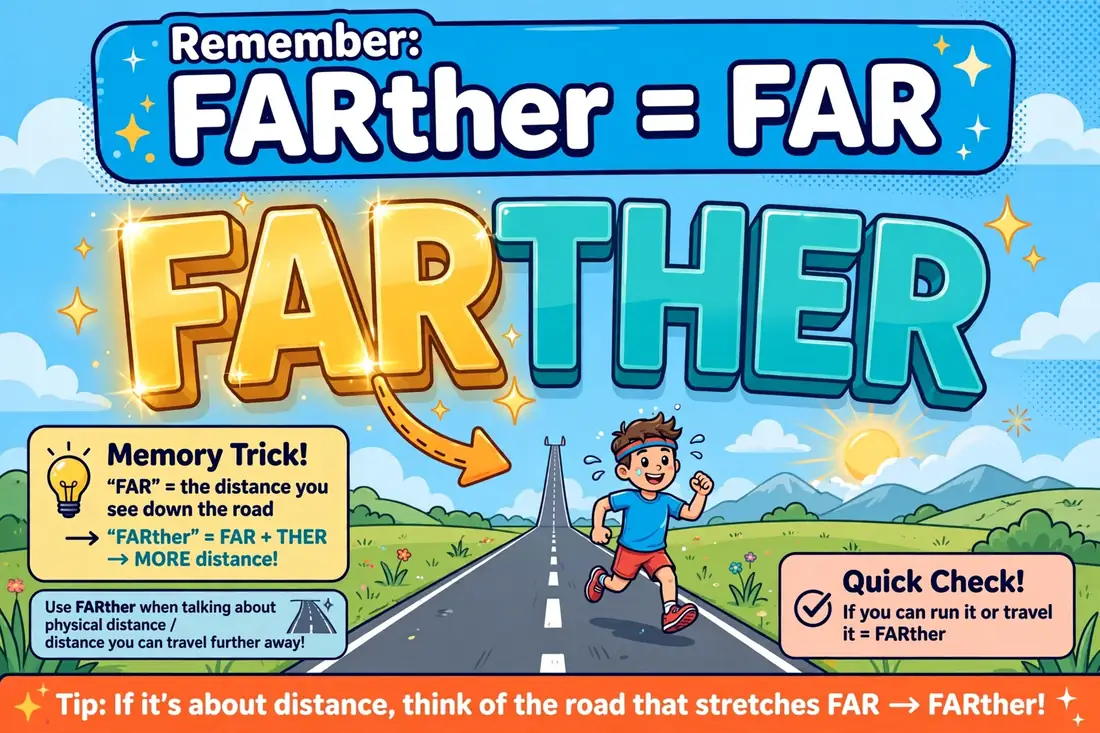
Think of farther as being connected to far. It helps you remember its main use for distance.
For further, remember expressions such as:
If you are writing about a measurable distance, farther is a clear choice. If you mean “more” or “additional,” choose further.
What Are the Superlative Forms: Farthest or Furthest?
The superlative forms of far are farthest and furthest.
Both can describe the greatest distance. They can also describe the greatest degree or extent, although furthest is often preferred for figurative meanings.
| Comparative | Superlative | Main use |
| Farther | Farthest | Physical distance |
| Further | Furthest | Additional degree, extent, or distance |
Examples:
For physical distance, farthest is common in North American English. Furthest is especially common in British English. Both are accepted.
Frequently Asked Questions
Is Further or Farther Correct?
Both are correct. Farther usually refers to physical distance. Further can mean additional, to a greater extent, or a greater distance.
Is Further Used for Physical Distance?
Yes. Further can describe physical distance. It is especially common for this purpose in British English, but it also appears in American English.
Is Farther Only Used for Physical Distance?
Farther is mainly used for physical distance. The traditional distinction recommends it for measurable distance rather than additional information or progress.
Can I Say “Further Information” or “Farther Information”?
Say further information. Here, further means additional. Farther information is not standard usage.
Is “Further Down the Road” Correct?
Yes. “Further down the road” is a correct expression. It can refer to a physical location or a later point in a process.
Which Is More Common in British English: Further or Farther?
Further is especially common in British English, including when describing distance. However, farther is also correct and understood.
Conclusion
Further and farther are both correct, but they serve different purposes in many sentences. Use farther mainly for physical distance. Choose further for additional information, progress, or greater extent. Remember that further can also describe physical distance. When writing for a broad audience, this distinction provides a clear and reliable guide.