Paid or Payed: What’s the Difference?
Paid is the standard past tense of pay — “I paid the bill.” Payed is only correct in one narrow nautical sense: letting out rope or cable, as in “they payed out the anchor chain.” In every other situation, payed is a misspelling.
For example, “She paid for dinner” is correct. “She payed for dinner” is wrong — unless she was on a ship paying out rope, which is unlikely at a restaurant.

Quick Answer
| Word | Part of Speech | Main Meaning | Example |
|---|---|---|---|
| Paid | Verb (past of pay) / Adjective | Gave money; settled | I paid the rent. |
| Payed | Verb (nautical only) | Let out rope or cable | They payed out the line. |
Simple rule: Money involved? Write paid. Rope on a ship? Payed is allowed.
What Does Paid Mean?
Paid is the past tense and past participle of the verb pay. It covers giving money, settling debts, and — as an adjective — receiving wages or being settled in full.
Examples:
- I paid the electric bill yesterday.
- She has paid off her entire student loan.
- They paid him double for the overtime hours.
- He took a paid vacation in July.
- All our debts are finally paid.
As an adjective, paid also describes employment: “a paid internship,” “paid leave.” See paid on Merriam-Webster for the full entry.
What Does Payed Mean?
Payed is a real word, but only in nautical language. To “pay out” a rope means to let it run free — sailors payed out anchor chains and fishing lines. Outside of ships and sailing, payed is simply wrong.
Examples:
- The crew payed out the anchor chain. (nautical — correct)
- He payed the mooring line hand over hand. (nautical — correct)
That is the entire list of correct uses. If there is no rope, no ship, and no sea involved, write paid. This rare-exception pattern also shows up in pairs like spelled vs spelt, where one form survives only in limited contexts.
Paid vs. Payed: Key Differences
| Feature | Paid | Payed |
|---|---|---|
| Correct for money | Yes — always | Never |
| Correct for rope (nautical) | No | Yes — only use |
| How common | Extremely common | Extremely rare |
| Example | Paid in full. | Payed out the cable. |
| As adjective | Yes (“paid time off”) | No |
In practice, 99.9% of the time you need paid. Payed belongs to sailing manuals, not everyday writing — a narrower exception than most commonly confused pairs.
Examples in Real Sentences
At the Store
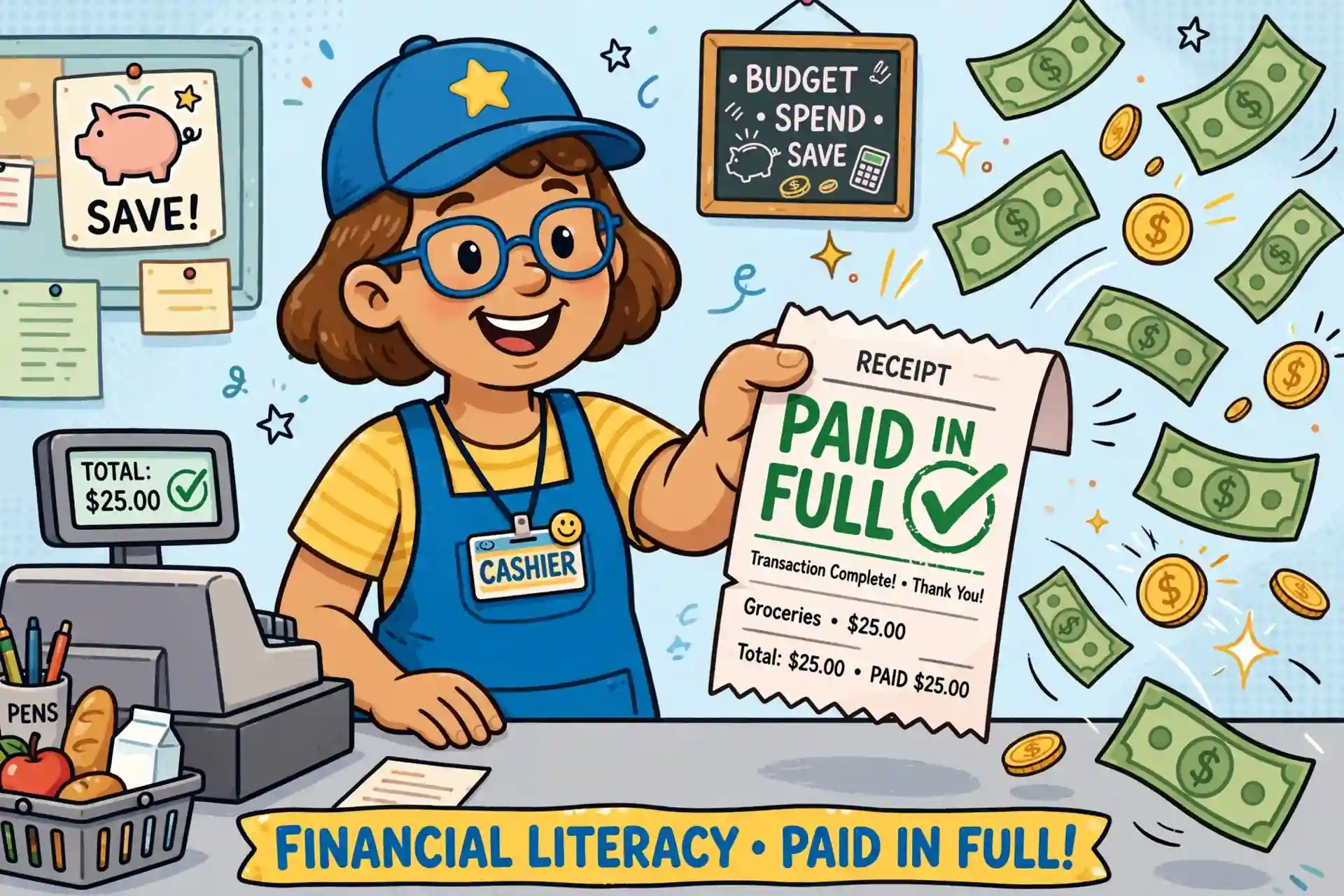
Paid: “She paid for the groceries with her card.”
Payed: ❌ “She payed for the groceries.” — Wrong; money means paid.
At Work
Paid: “Employees get paid on the last Friday of the month.”
The adjective “paid” also works: “a paid holiday.”
On a Boat
Payed: “The sailor payed out the rope slowly.”
This is the one correct home of payed — nautical rope work.
Common Mistakes With Paid and Payed
Mistake 1: Writing “Payed” for Money
❌ I payed my taxes in April.
✅ I paid my taxes in April.
Why: Paying money always takes paid.
Mistake 2: “Payed Attention”
❌ He payed attention in class.
✅ He paid attention in class.
Why: The idiom is “paid attention” — no rope involved.
Mistake 3: Assuming “Payed” Is Always Wrong
❌ “Payed” is not a real word.
✅ “Payed” is real but only nautical: “payed out the line.”
Why: The nautical sense is legitimate, just vanishingly rare in daily life.
Pronunciation: Paid vs. Payed
Both are pronounced /peɪd/ (PAYD), rhyming with laid and made.
Identical sound, so spelling is the only clue to which meaning is intended.

How to Remember the Difference
Memory trick: Paid contains aid — think of “financial aid.” Money and aid go together, and so do paid and money.
- Paid = money (contains aid, like financial aid).
- Payed = rope on a ship (picture a sailor paying out line — the extra E is the extra rope).
Ask yourself: “Is anyone handling money?” If yes, write paid.
Frequently Asked Questions
Is it paid or payed?
Use paid in virtually every case. Payed is only correct in the nautical sense of letting out rope.
Is “payed” ever correct?
Yes — but only nautically: “They payed out the anchor chain.” Anywhere else, it is a misspelling.
Why do people write “payed”?
Because most verbs form the past tense by adding -ed (play → played), writers guess pay → payed. But pay is irregular: pay → paid.
Is it “paid attention” or “payed attention”?
Always “paid attention.” This is the standard idiom.
What is the past tense of “pay”?
Paid — for money, attention, visits, and compliments (“pay a visit,” “pay a compliment” → “paid a visit”).
Conclusion
Paid is the past tense of pay for money and everything else in daily life. Payed survives only on ships, describing rope let out to sea. Unless you are writing about sailing, choose paid every time.