Synonyms for Learn: 20 Words With Examples
Writers reach for synonyms for “learn” when the word starts repeating itself — in essays, résumés, and stories about growth. But “learn” covers everything from memorizing facts to mastering skills, and each synonym fits a different shade of meaning. This guide groups 20 synonyms for learn by nuance, with a plain definition and a real example sentence for every word.

Table of Contents
Quick Answer
These are the 12 strongest synonyms for learn, each with the situation it fits best. All were checked against Merriam-Webster’s thesaurus entry for “learn”.
| Word | Nuance / When to use it |
|---|---|
| study | Deliberate, bookish effort — classes, exams, textbooks |
| master | Gain complete command of a subject or skill |
| discover | Find out something new for the first time |
| grasp | Understand an idea firmly and clearly |
| memorize | Commit something to memory word for word |
| comprehend | Fully understand the meaning of something complex |
| absorb | Take in knowledge gradually and naturally |
| pick up | Learn casually, almost without trying |
| acquire | Gain knowledge or skill steadily over time |
| uncover | Find out something hidden or kept secret |
| glean | Gather information slowly, bit by bit |
| hone | Sharpen a skill you already have |
Simple rule: use study for deliberate effort, grasp or comprehend for understanding, discover for finding things out, and master or pick up for skills.
Learning by Deliberate Study
These words describe learning as work — reading, practicing, and preparing on purpose.
- Study — to learn a subject by reading, attending classes, or practicing with focus. Example: She studies Spanish for an hour every evening before dinner.
- Memorize — to commit something to memory so you can recall it exactly. Example: The actors had to memorize three pages of dialogue overnight.
- Cram — to study intensely in a short burst, usually right before a test. Example: He crammed all weekend for the chemistry final on Monday.
- Drill — to learn through repeated practice exercises until the skill becomes automatic. Example: The coach drilled the team on free throws until dusk.
- Review — to go over material again so it sticks in your memory. Example: I reviewed my notes on the train before the interview.

Understanding and Absorbing Ideas
These synonyms focus on the moment an idea clicks — when information becomes real understanding.
- Grasp — to understand something firmly, especially a difficult idea. Example: It took me weeks to grasp how compound interest actually works.
- Comprehend — to fully understand the meaning or importance of something complex. Example: The jury struggled to comprehend the forensic evidence.
- Absorb — to take in knowledge gradually, the way a sponge takes in water. Example: Children absorb new languages far faster than adults do.
- Digest — to think through new information until you truly understand it. Example: She needed a day to digest the feedback from her manager.
- Internalize — to make a lesson or value part of your own thinking and habits. Example: Good drivers internalize the habit of checking mirrors constantly.
Discovering Something New
These words describe learning as finding out — the first moment you encounter new information.
- Discover — to find out or become aware of something for the first time. Example: Scientists discovered a new frog species in the rainforest last year.
- Uncover — to find out something hidden, secret, or buried. Example: The reporter uncovered emails that changed the whole story.
- Glean — to gather information slowly from small hints and scraps. Example: From the interview, I gleaned that the company was planning layoffs.
- Find out — to learn a fact by asking, searching, or investigating. Example: Call the airline to find out whether your flight is delayed.
- Stumble upon — to discover something by accident while doing something else. Example: She stumbled upon her grandfather’s letters in the attic.
Gaining a Skill
These synonyms fit hands-on learning — the kind that happens through doing, not just reading.
- Master — to gain complete knowledge or command of a subject or skill. Example: It took her five years to master the violin.
- Pick up — to learn something casually, without formal lessons or much effort. Example: He picked up Italian just by working in a Rome café.
- Acquire — to gain a skill or body of knowledge gradually over time. Example: New managers acquire leadership skills through experience, not manuals.
- Develop — to grow a skill step by step until it becomes strong. Example: She developed her photography skills by shooting every single day.
- Hone — to sharpen and refine a skill you already possess. Example: Writers hone their craft by editing ruthlessly.
Common Mistakes
Near-synonyms are easy to confuse — the same way writers mix up further and farther or wonder what meant vs ment really means. Here are the traps around “learn” itself:
Mistake 1: “Learn” vs “teach”
❌ He learned me how to swim.
✅ He taught me how to swim.
Why: you learn something yourself; someone teaches it to you. Mixing them up is one of the most common errors in everyday speech.
Mistake 2: “Learn” vs “memorize”
❌ She learned the speech word for word.
✅ She memorized the speech word for word.
Why: memorizing is verbatim recall; learning implies understanding. You can memorize a poem in a language you don’t even speak.
Mistake 3: “Study” vs “learn” a skill
❌ He studied swimming at the local pool.
✅ He learned swimming at the local pool.
Why: you study a subject (math, history); you learn or practice a skill (swimming, driving). “Studied swimming” sounds like he read about it poolside.
Mistake 4: “Discover” vs “invent”
❌ She discovered a new budgeting app.
✅ She developed a new budgeting app.
Why: you discover something that already existed (a cave, a fact); you invent or develop something new. Founders invent; explorers discover.
How to Choose the Right Synonym
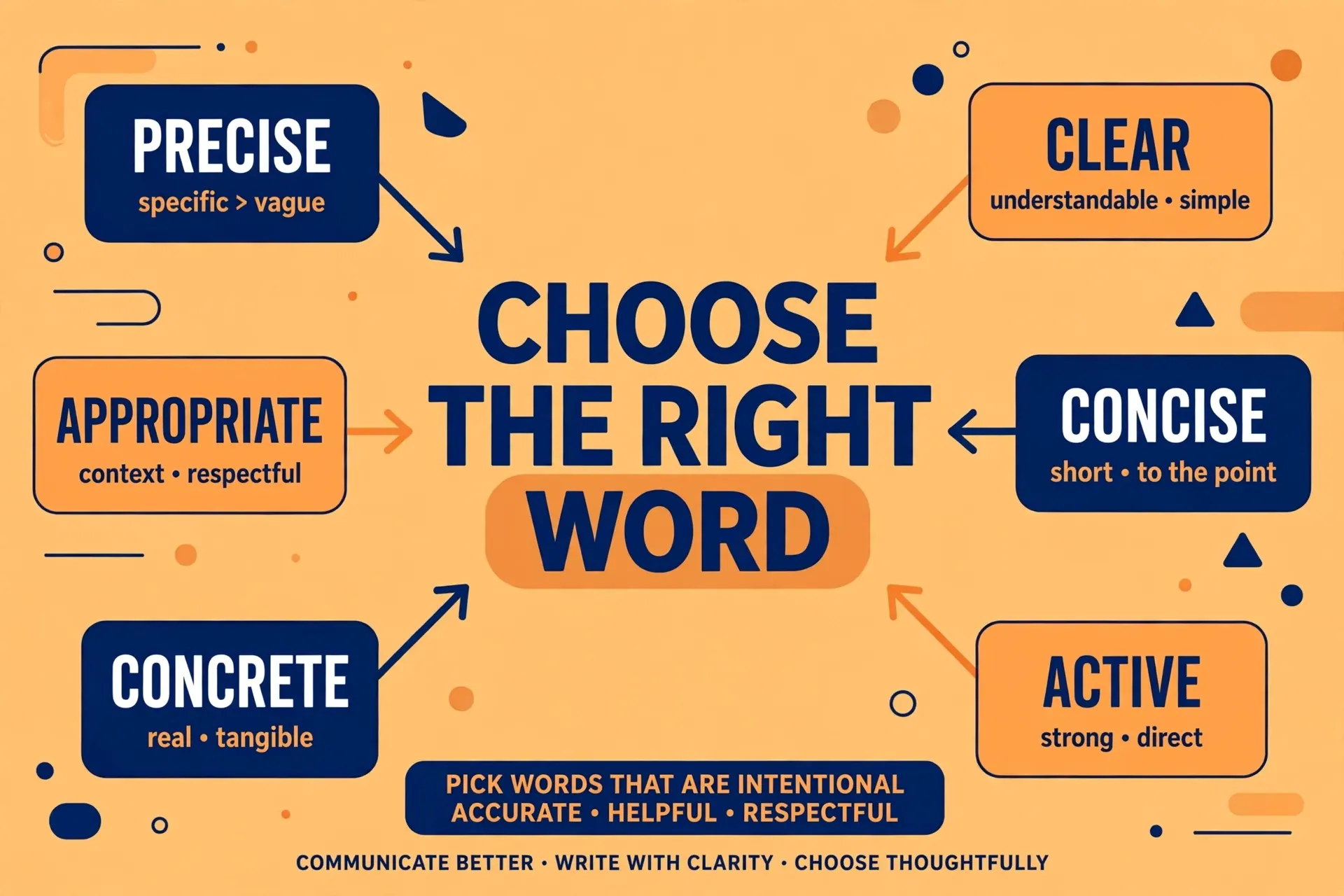
- Match the effort level: cram and drill imply hard, focused work; absorb and pick up imply it happened almost by itself. Pick the one that matches the story.
- Separate knowing from doing: study, memorize, and review suit facts and subjects; master, develop, and hone suit skills and crafts.
- Watch the register: pick up, find out, and stumble upon are casual — fine for blogs, risky in academic papers. Comprehend, acquire, and internalize carry formal weight.
- Check the direction: discover and uncover move outward toward new facts; digest and internalize move inward toward deeper understanding.
- Avoid the learn/teach trap: if someone else caused the learning, the verb is probably teach, show, or train — not learn.
Frequently Asked Questions
What is a synonym for learn?
The most versatile synonyms for learn are study, master, discover, and grasp. For skills, use pick up or acquire; for understanding ideas, use comprehend or absorb.
What is the difference between learn and study?
Study is the deliberate effort — reading, attending class, doing exercises. Learn is the result — the knowledge or skill you end up with. You can study for hours and still not learn much.
Is “pick up” too informal for professional writing?
Usually, yes. “Pick up” works in blogs, résumés with a casual tone, and conversation. In formal reports or academic writing, prefer acquire, develop, or gain proficiency in.
What is a strong synonym for learn quickly?
Absorb suggests learning fast and naturally (“she absorbs new software instantly”). For deliberate speed, master quickly or get up to speed work well.
What is the noun form of learn?
The noun is learning (“a lifelong learning habit”). Knowledge is the result of learning, and lesson is a single unit of it.
Conclusion
“Learn” is a hardworking word, but its synonyms work harder — each one paints a sharper picture of how the learning happened. Pick study for effort, grasp for understanding, discover for first encounters, and master for skills. With 20 options on hand, you’ll never repeat “learn” twice in the same paragraph again.