Synonyms for This Shows: 14 Words With Examples
Students and researchers repeat “this shows” in nearly every essay paragraph until the phrase loses all force. These 14 synonyms for “this shows” are grouped by how certain your evidence actually is, each with a plain meaning and a natural example sentence. Swap in the right word and your argument sounds sharper instantly.
Table of Contents
Quick Answer: 12 Synonyms for “This Shows”
| Word | Nuance / When to use it |
|---|---|
| demonstrates | The formal gold standard; proves a point through evidence |
| proves | Strongest claim — the matter is settled |
| confirms | Verifies what was suspected or predicted |
| establishes | Lays a fact down as a foundation for the argument |
| indicates | Points toward a conclusion without claiming certainty |
| reveals | Brings hidden or unknown information to light |
| suggests | Tentative; the evidence leans one way |
| illustrates | Makes an idea clear with an example or figure |
| highlights | Calls attention to the most important part |
| underscores | Emphasizes a point already made |
| implies | The meaning is between the lines, not stated outright |
| reflects | Mirrors a wider trend or condition |
Simple rule: if your evidence settles the question, use demonstrates or proves; if it only points in a direction, use suggests or indicates. Merriam-Webster’s dictionary entry for “show” covers the core sense these sharper alternatives build on.
Strong & Certain: When the Evidence Is Solid
Reserve these four for moments when the data genuinely closes the case — using them for shaky evidence makes careful readers distrust the rest of your argument.
-
demonstrates — Shows clearly and convincingly, usually through evidence or reasoning; the formal gold standard of academic writing. Example: The experiment demonstrates that the new alloy withstands twice the pressure of steel.
-
proves — Establishes beyond reasonable doubt; the strongest claim you can make. Example: The recovered footage proves the bridge collapsed before the storm arrived.
-
confirms — Verifies something that was suspected, predicted, or reported. Example: The biopsy confirms the diagnosis the scans had only hinted at.
-
establishes — Lays a fact down firmly so the rest of the argument can build on it. Example: The 2019 census establishes that the town’s population doubled in a decade.

Neutral & Academic: The Essay Workhorses
Most academic writing lives in the middle ground — the evidence points somewhere, but honest scholars avoid overstating it. These five are the neutral, versatile replacements you will use most often.
-
indicates — Points toward a conclusion; the data leans a direction without guaranteeing it. Example: The survey indicates that younger voters care most about housing costs.
-
reveals — Brings to light something previously hidden or unknown. Example: The leaked emails reveal how the contract was awarded.
-
suggests — Tentatively proposes; the evidence is suggestive rather than decisive. Example: The fossil record suggests the species migrated north as the climate warmed.
-
illustrates — Makes an abstract idea concrete with an example, figure, or case. Example: The chart illustrates how dramatically traffic drops after midnight.
-
signifies — Means or indicates in a formal sense; often used for what something represents. Example: A falling approval rating signifies trouble for the incumbent party.
Emphatic: Drawing the Reader’s Eye
Sometimes the point is not new information but emphasis. These five add punch and direction.
-
highlights — Calls special attention to the most important part. Example: The report highlights a sharp rise in costs that the summary buried on page nine.
-
underscores — Emphasizes a point, especially one already made or widely felt. Example: The blackout underscores how fragile the city’s grid has become.
-
reflects — Mirrors a broader trend, attitude, or condition beyond the example itself. Example: The campus protest reflects a nationwide frustration with tuition hikes.
-
implies — Communicates indirectly; the meaning sits between the lines. Example: His silence on the question implies the answer is worse than the rumor.
-
displays — Puts something on clear view, often a quality or pattern. Example: The final chapter displays the author’s gift for quiet, devastating detail.
Common Mistakes With “This Shows” Synonyms
Choosing the wrong near-synonym changes how strong your claim sounds — the same kind of precision slip that confuses believe or beliebe and realize vs. realise. These four traps catch even experienced writers:
Mistake 1: Writing “this proves” for tentative findings
❌ “This proves the new policy caused the drop in crime.”
✅ “This suggests the new policy contributed to the drop in crime.”
Why: “proves” claims certainty that a single correlation cannot support. “Suggests” or “indicates” fits evidence that points without settling the matter.
Mistake 2: Using “depicts” to mean “demonstrates”
❌ “The graph depicts that sales fell in March.”
✅ “The graph illustrates that sales fell in March.”
Why: “depicts” means portrays in words or pictures — a portrait depicts a person. It does not mean “makes an argument clear”; use “illustrates” or “demonstrates.”
Mistake 3: Using “displays” for hidden findings
❌ “The audit displays widespread fraud in the accounts.”
✅ “The audit reveals widespread fraud in the accounts.”
Why: “displays” means puts on open view, like a shop window. Fraud was hidden, so “reveals” — bringing the concealed to light — is the accurate word.
Mistake 4: Repeating “this shows” in every paragraph
❌ “This shows X. This shows Y. This shows Z.”
✅ “The data indicates X, highlights Y, and confirms Z.”
Why: Repeating one phrase in every topic sentence signals thin vocabulary to any grader or editor. Rotating through precise synonyms reads as control, not decoration.
How to Choose the Right Synonym
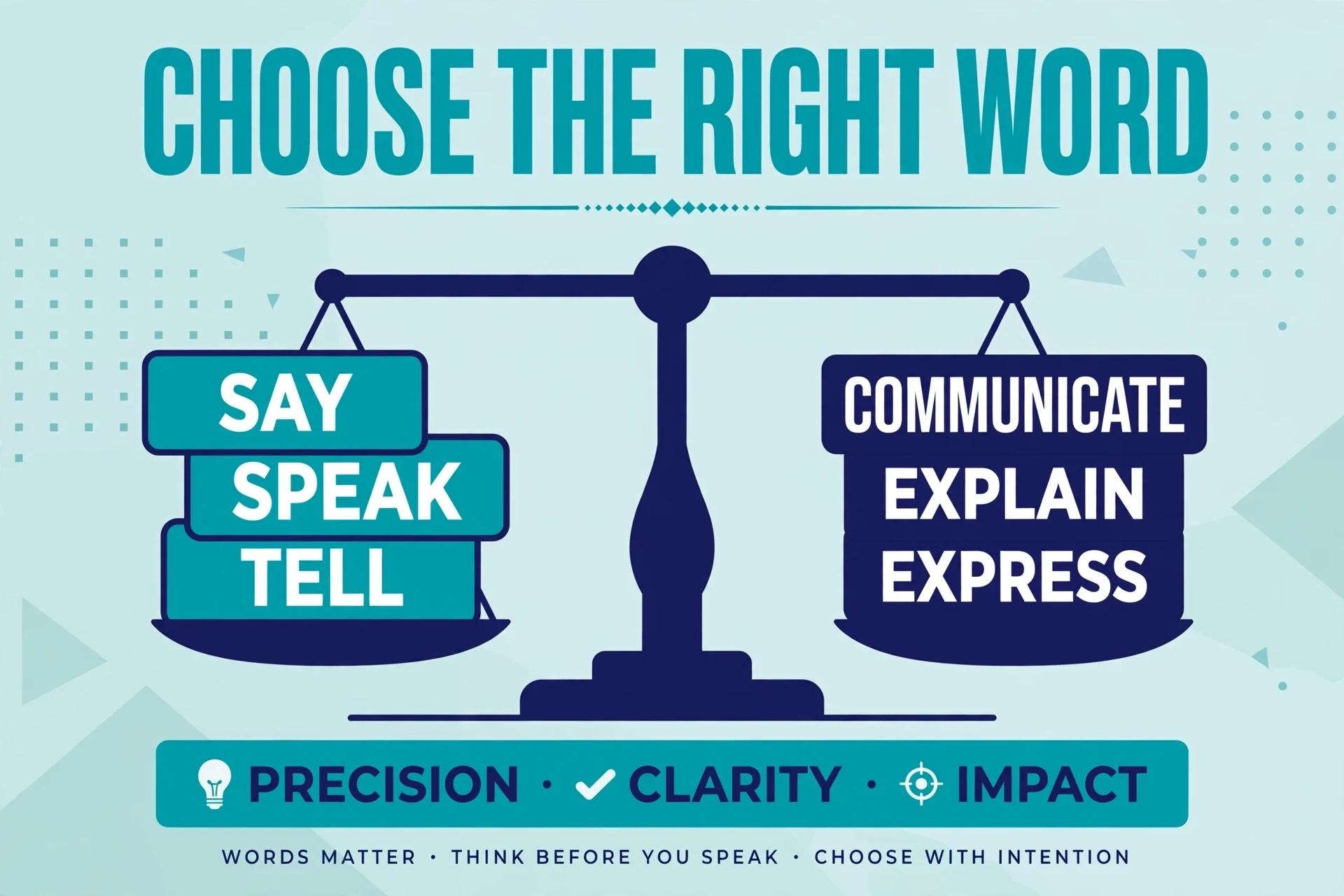
- Rate your certainty first. Settled fact? Use demonstrates or proves. Strong hint? Use indicates or reveals. Mere possibility? Use suggests. Overclaiming is the fastest way to lose a reader’s trust.
- Match the register. Formal essays and reports favor demonstrates, establishes, and signifies. In a casual blog post or email, highlights and reveals sound more natural.
- Decide: new information or emphasis? If you are presenting fresh findings, lean toward reveals, indicates, or confirms. If you are stressing what matters, choose highlights or underscores.
- Watch the connotation of “implies.” It can hint at something shady or unspoken — “his tone implies doubt” carries suspicion. If you mean straightforward meaning, prefer indicates or signifies.
- Keep the subject sensible. Data indicates, charts illustrate, experiments demonstrate, and results confirm. Pairing the right verb with the right subject is half the battle.
Frequently Asked Questions
What is a synonym for “this shows”?
The best all-purpose synonyms are demonstrates, indicates, reveals, suggests, and illustrates. Pick by certainty: “demonstrates” for solid proof, “suggests” for tentative evidence.
What is the most formal synonym for “this shows”?
“Demonstrates” is the formal gold standard in academic writing, followed closely by “establishes” and “confirms.” All three suit essays, theses, and published papers.
What word can I use instead of “shows” in an essay?
Rotate through “demonstrates,” “indicates,” “reveals,” “highlights,” and “underscores” — variety with precision reads far better than repeating “shows.”
Is “this suggests” weaker than “this proves”?
Yes, deliberately so. “Suggests” signals that the evidence leans one way without ruling out alternatives; “proves” claims the matter is settled. Honest writing matches the word to the strength of the evidence.
What is a good synonym for “this shows” in a conclusion?
Conclusions summarize settled findings, so “confirms,” “establishes,” and “demonstrates” fit best. “Taken together, these results confirm…” is a classic, strong closing move.
Can I start a sentence with “This demonstrates”?
Yes — it is standard academic style. Just make sure “this” has a clear antecedent in the previous sentence, so the reader knows exactly what is doing the demonstrating.
Conclusion
“This shows” is not wrong — it is just vague, and vague verbs make strong evidence sound weak. Whether your data demonstrates a fact, suggests a trend, or underscores a warning, the precise word tells your reader exactly how much weight to give your claim. Choose by certainty, match the tone, and your writing will carry real authority.