Another Word for This: 40 Smart Alternatives (With Examples)
Table of Contents
“This” is one of the most repeated words in English. It points at something close by, something just mentioned, or something about to be explained. The problem starts when it shows up five times in one paragraph. Readers lose track of what “this” refers to, and the writing starts to feel lazy. A sharper word in its place makes the sentence clearer and stronger. Merriam-Webster defines “this” as a word used to refer to something near, present, or just mentioned, and that simple job is exactly why it gets overused. Below are 40 alternatives, grouped by tone and situation, each with a meaning and an example sentence so you can drop them straight into your own writing or speech.

Formal Alternatives for “This”
Formal writing needs precision. These replacements point back to something already mentioned without sounding vague, which makes them a good fit for essays, reports, and business emails.
1. The following — used to introduce something that comes right after it. Example: The following steps explain how to reset your password.
2. The aforementioned — refers to something mentioned earlier in the same text. Example: The aforementioned policy applies to all full-time employees.
3. The above — points to content that appeared earlier on the page. Example: The above figures show a clear rise in sales.
4. The latter — refers to the second of two things just mentioned. Example: We reviewed price and quality, and the latter mattered more to buyers.
5. The present — means the current thing, case, or situation under discussion. Example: The present study looks at reading habits among teenagers.
6. The said — a legal-style word that refers back to a person or thing already named. Example: The said property must be returned in its original condition.
7. The current — describes the thing happening or existing right now. Example: The current version of the software fixes the login error.
8. The aforementioned point — refers back to a specific argument or idea already made. Example: The aforementioned point explains why the budget needs approval first.
9. The matter at hand — means the topic or problem being discussed right now. Example: Let us focus on the matter at hand instead of last quarter’s results.
10. The subject — refers to the topic being talked or written about. Example: The subject of today’s meeting is the new hiring plan.
Casual Alternatives for “This”
Everyday speech and casual messages do not need formal words. These options sound natural when you are talking with friends, texting, or writing in a relaxed tone.
11. This one — points to a specific thing when several are in front of you. Example: I like this one better than the blue jacket.
12. That — works when the thing is a little further away or already understood. Example: That was the best part of the trip.
13. It — the simplest replacement when the meaning is already clear. Example: I read the book, and it was much better than the film.
14. This thing — a casual way to name an object you do not want to describe in detail. Example: This thing keeps beeping every ten minutes.
15. This stuff — refers to a substance, material, or general matter in a relaxed way. Example: This stuff tastes great with rice.
16. Here — points to a place or thing close to the speaker. Example: Put the bag here and we will sort it later.
17. This bit — refers to a small part of something larger. Example: I did not understand this bit of the instructions.
18. That one — picks out a specific thing that is not the closest one. Example: No, not that shirt, that one on the right.
19. This here — an informal, emphatic way to point at something near you. Example: This here is the remote that controls the fan.
20. The thing — a plain, everyday stand-in when the exact name does not matter. Example: The thing is, I already promised Sara I would help her.
Alternatives for “This” in Writing
Good writing names the thing instead of pointing at it. These replacements make sentences more specific, which helps readers follow your argument without guessing. If you often reach for vague words, our list of synonyms for something covers similar ground and can sharpen your word choice further.
21. This concept — refers to an idea or principle already introduced. Example: This concept explains why people prefer simple designs.
22. This idea — points back to a suggestion or thought from earlier in the text. Example: This idea first appeared in her 2019 research paper.
23. This approach — refers to a method or way of doing something. Example: This approach saves time because it skips the approval step.
24. This method — names a specific procedure or technique. Example: This method works best for small groups of students.
25. This result — points to an outcome or finding just described. Example: This result surprised the team because nobody expected a drop in sales.
26. This finding — refers to a discovery from research or observation. Example: This finding matches earlier studies on sleep and memory.
27. This example — refers to a case or instance already given. Example: This example shows how a small change can improve safety.
28. This situation — describes a set of circumstances already explained. Example: This situation calls for a calm and honest response.
29. This issue — points to a problem or topic under discussion. Example: This issue affects every department, not just marketing.
30. This development — refers to a new event or change just mentioned. Example: This development could change the way the company hires staff.
Alternatives for “This” in Speech
Spoken English is looser than written English, and speakers often use extra words to buy time or add emphasis. These phrases replace a bare “this” and sound natural out loud.
31. This right here — adds emphasis while pointing at something close. Example: This right here is the reason we started the project.
32. This exact thing — stresses that you mean one precise item and no other. Example: I need this exact thing, not the similar one next to it.
33. What I’m talking about — refers back to a topic already raised in the conversation. Example: What I’m talking about is the new schedule, not the old one.
34. The thing I’m referring to — a clear way to name something without repeating it. Example: The thing I’m referring to is the report from last Monday.
35. You know, this — a filler-style phrase that keeps the conversation flowing. Example: You know, this is exactly what happened to me last year.
Alternatives for “This” in Formal Documents
Contracts, letters, and official reports avoid vague words because every term can be challenged. These replacements are precise and standard in formal documents.
36. The above-mentioned — refers to something named earlier in the document. Example: The above-mentioned items will be delivered by Friday.
37. The present document — means the document you are reading right now. Example: The present document sets out the terms of the agreement.
38. The enclosed — refers to something included with a letter or package. Example: Please sign the enclosed form and return it by post.
39. The said agreement — a legal phrase pointing back to an agreement already named. Example: Both parties agree to the terms of the said agreement.
40. The herein described — means something described within this same document. Example: The herein described property covers the full ground floor.
How to Choose the Right Alternative
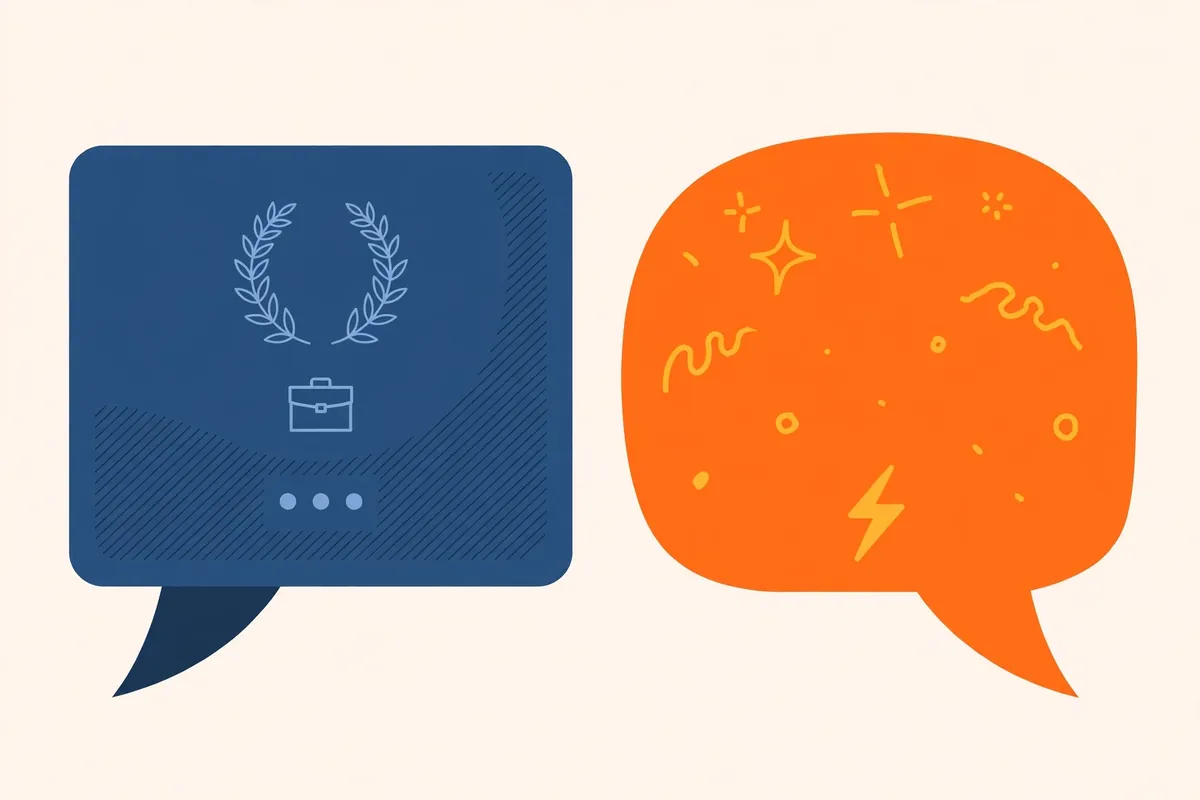
Start by asking what “this” is actually pointing at. If it points at a thing you can name, name it: “this method”, “this result”, or “this issue” all beat a bare “this”. If it points at something mentioned earlier, use a backward-pointing word such as “the aforementioned” or “the above” in formal writing, or “that” in casual speech. Match the tone to the setting. “The aforementioned” fits a report but sounds stiff in a text message, while “this thing” fits a chat but looks careless in an essay. When you write, read the sentence back with the replacement in place. If the meaning stays the same and the sentence feels clearer, you picked well. For more ways to make your writing precise, see our guide to synonyms for “this shows”, which covers another phrase writers repeat too often.
A quick test helps when you are unsure. Try the replacement in three different sentences: an email to a colleague, a paragraph in an essay, and a message to a friend. The right alternative should sound natural in at least one of them and never change the meaning. If a word feels stiff in all three, drop it and try a simpler one. In emails, “the following” and “the above” usually work best. In essays, naming the idea directly, such as “this finding” or “this approach”, keeps the argument easy to follow. In conversation, short words win: “that”, “it”, and “this one” do the job without drawing attention to themselves.
Common Mistakes to Avoid
The most common mistake is stacking vague words together, as in “this thing is about this stuff”. Each “this” adds fog instead of meaning. Another mistake is using a formal word in the wrong place. “The aforementioned” in a birthday message sounds like a joke, and “this thing” in a job application sounds careless. A third mistake is swapping “this” for “that” without thinking about distance. “This” points to something near or just mentioned, while “that” points to something further away or earlier in the conversation. Mixing them up confuses readers. Finally, do not replace every single “this”. The word is useful and correct in many sentences. The goal is variety and clarity, not a total ban.
One more habit to watch is starting too many sentences with “This is” or “This means”. A paragraph that opens every sentence the same way feels flat, even when each sentence is correct on its own. Vary the openings by naming the subject first: “The results show” instead of “This shows”, or “The plan needs” instead of “This needs”. The meaning stays the same, but the writing gains rhythm and the reader stays engaged.
Frequently Asked Questions
What is another word for “this”?
The best replacement depends on the sentence. In formal writing, “the following” or “the aforementioned” work well. In everyday speech, “this one”, “that”, or “it” sound natural. In essays, naming the thing directly, such as “this idea” or “this result”, is usually the clearest choice.
Can I use “that” instead of “this”?
Yes, but only when the meaning allows it. “This” points to something close or just mentioned, while “that” points to something further away or already finished. In “I like this book”, switching to “that book” changes the meaning slightly, so check the distance before you swap.
What is a formal alternative to “this”?
“The aforementioned”, “the above”, “the present”, and “the above-mentioned” are the most common formal options. They work in reports, contracts, and academic writing. Use them sparingly, since too many in one paragraph can make the text hard to read.
How do I stop repeating “this” in my writing?
Name the thing instead of pointing at it. Replace “this” with a noun phrase such as “this approach”, “this finding”, or “this issue”. Read the paragraph out loud after editing. If you still hear “this” three or more times, one more replacement is probably needed.
Is “this one” correct English?
Yes. “This one” is correct and very common in everyday English. It is best when you are choosing between visible options, as in “I will take this one”. It is too casual for formal reports, where “the following” or “the latter” fit better.