Synonyms for Selfish: 22 Words With Examples
Writers reach for synonyms for selfish when the word itself feels too blunt, too vague, or simply overused. This article groups 22 real alternatives by nuance — from self-centered and egotistical to greedy, stingy, and miserly — each with a one-line meaning and a natural example sentence, plus the Merriam-Webster thesaurus entry for selfish for extra reference.
The core idea: selfish means caring too much about yourself and too little about others, but the way someone is selfish matters — hoarding money is not the same as hogging attention.

Table of Contents
Quick Answer
| Word | Nuance / When to use it |
|---|---|
| Self-centered | The safest all-round swap; someone focused on themselves |
| Egotistical | Inflated sense of self-importance; arrogant tone |
| Self-absorbed | Lost in their own thoughts; oblivious rather than cruel |
| Greedy | Wants more than they need — money, food, or anything |
| Stingy | Won’t spend or share money; casual and direct |
| Miserly | Hoards money; formal, literary version of stingy |
| Self-serving | Acts only to benefit themselves; political tone |
| Egocentric | Sees everything from their own viewpoint; psychology-adjacent |
| Narcissistic | Strong clinical charge; use with care |
| Ungenerous | Mild, polite; the softest criticism on this list |
| Covetous | Craves what others have; literary |
| Inconsiderate | Ignores others’ feelings; softer than selfish |
Simple rule: match the word to the behavior — greedy for wanting too much, stingy for refusing to share, self-centered for ignoring everyone else.
Self-Centered and Ego-Driven
These synonyms describe people whose world revolves around themselves — their needs, their stories, their importance.
-
Self-centered — focused on yourself rather than others. Example: It was self-centered of him to plan the trip around his schedule only.
-
Egotistical — having an exaggerated sense of your own importance. Example: Her egotistical speech mentioned her achievements for twenty minutes straight.
-
Self-absorbed — so wrapped up in yourself that you barely notice others. Example: He was too self-absorbed to ask how her interview went.
-
Egocentric — viewing everything only from your own perspective. Example: Toddlers are naturally egocentric; they assume everyone sees what they see.
-
Narcissistic — showing excessive admiration for yourself and little empathy. Example: The review called the character narcissistic, charming on the surface and hollow underneath.

Greedy About Money and Things
These words fit when selfishness shows up as wanting more — more money, more food, more of everything.
-
Greedy — wanting more of something than you need or deserve. Example: The greedy landlord raised the rent three times in one year.
-
Acquisitive — eager to acquire money and possessions. Example: His acquisitive streak showed in a house full of things he never used.
-
Avaricious — having an extreme, almost painful greed for wealth. Example: The avaricious banker sold his own friends bad investments.
-
Covetous — strongly desiring what belongs to someone else. Example: She gave him a covetous look when he unwrapped the new phone.
-
Miserly — hoarding money and hating to spend it. Example: Despite his fortune, he lived a miserly life in a one-room flat.
Unwilling to Share or Give
This group targets the classic selfish scene: someone has plenty and still won’t share.
-
Stingy — unwilling to spend money or share things. Example: He left a stingy tip even though the service was excellent.
-
Tightfisted — holding money back; reluctant to spend. Example: The tightfisted manager refused to buy the team basic equipment.
-
Ungenerous — not giving enough; the polite way to say selfish. Example: That was an ungenerous review of a genuinely good film.
-
Uncharitable — unwilling to help or think well of others. Example: It would be uncharitable to blame her for a mistake anyone could make.
Cold, Calculating, and Inconsiderate
These synonyms fit when selfishness is strategic or simply careless about other people’s feelings.
-
Self-serving — done to benefit yourself, whatever the cost to others. Example: The committee dismissed his proposal as self-serving.
-
Inconsiderate — not thinking about other people’s needs or feelings. Example: Playing music at midnight was inconsiderate to the neighbors.
-
Opportunistic — grabbing every chance for personal gain, regardless of others. Example: The opportunistic agent signed the star while she was still injured.
-
Possessive — unwilling to share people or things you consider yours. Example: He grew possessive of the project and stopped crediting his teammates.
Common Mistakes
Near-synonyms of selfish misfire when the register or meaning is off — sorting them takes the same care as telling lookalike words apart (see curtesy vs courtesy), and choosing between close adjectives works much like effective vs affective: one shade of meaning changes everything.
Mistake 1: Calling someone “selfish” when you mean “selfless”
❌ She is so selfish — she volunteers every weekend.
✅ She is so selfless — she volunteers every weekend.
Why: Selfless is the exact opposite of selfish. Confusing the two flips your sentence’s meaning entirely.
Mistake 2: Using “greedy” for attention-seeking
❌ He is greedy for attention.
✅ He is self-centered about attention. / He is attention-seeking.
Why: Greedy usually attaches to money, food, or things. For attention or praise, self-centered or attention-seeking fits better.
Mistake 3: Using “jealous” as a synonym for selfish
❌ She is jealous with her toys.
✅ She is possessive of her toys.
Why: Jealous means fearing someone will take what you have or envying what others have. Refusing to share is possessive or selfish, not jealous.
Mistake 4: Using “narcissistic” casually
❌ My narcissistic roommate ate my leftovers.
✅ My inconsiderate roommate ate my leftovers.
Why: Narcissistic carries a clinical, diagnostic charge. For ordinary bad behavior, inconsiderate or thoughtless is fairer and more accurate.
How to Choose the Right Synonym
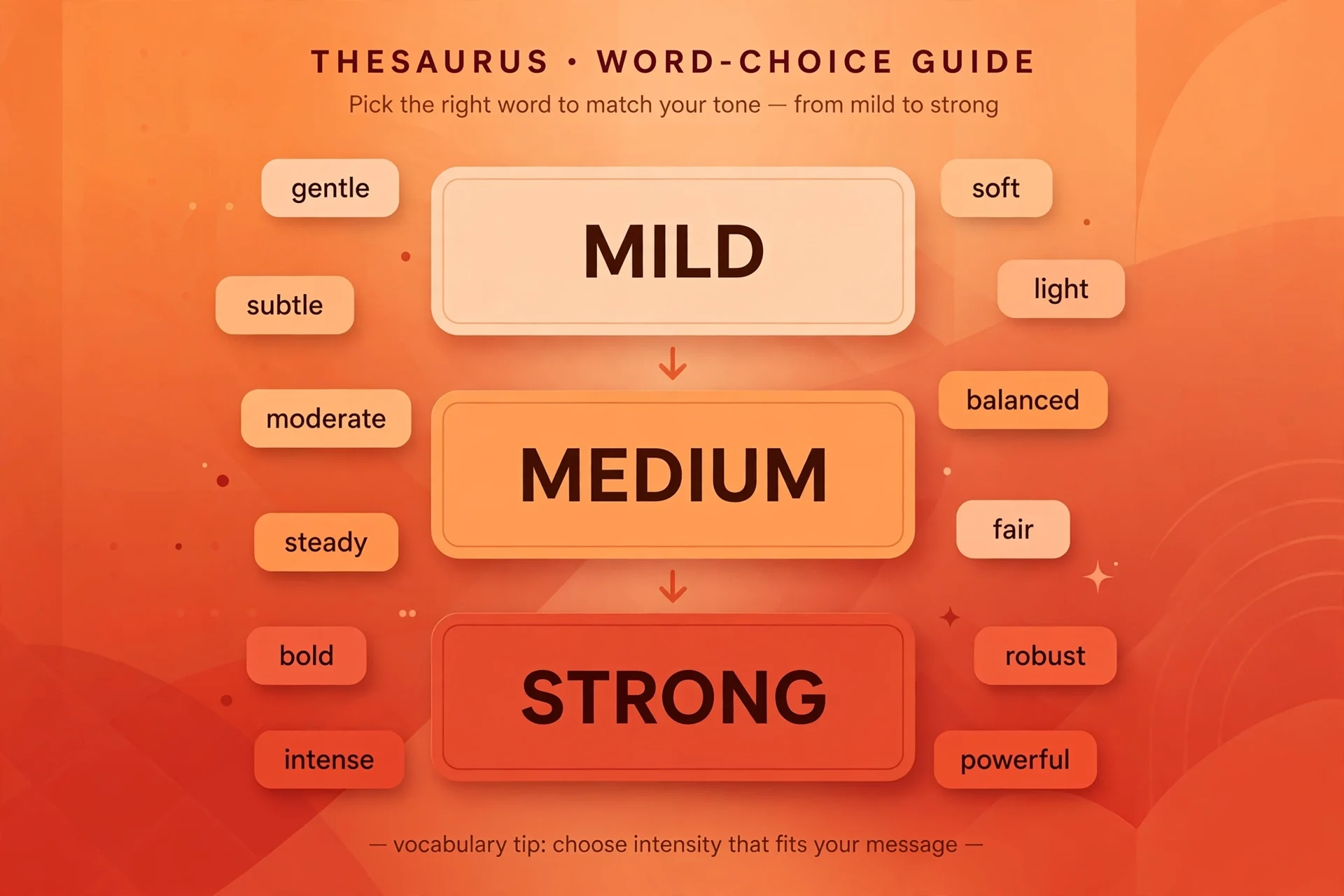
- Match the behavior: money-hoarding calls for greedy, stingy, or miserly; attention-hogging calls for self-centered or egotistical.
- Check the temperature: ungenerous and inconsiderate criticize gently; avaricious and narcissistic hit hard.
- Formal vs. casual: miserly, acquisitive, and covetous suit essays; stingy and self-centered suit everyday speech.
- Watch the clinical trap: narcissistic and egocentric imply psychology — use them only when that weight is intended.
- People vs. actions: describe actions (a self-serving decision) rather than labeling people when you want to stay fair.
- When in doubt: self-centered is the safest, most neutral stand-in for selfish in almost any sentence.
Frequently Asked Questions
What is a synonym for selfish?
Self-centered is the closest everyday synonym for selfish. For money-related selfishness use greedy or stingy; for an inflated ego use egotistical.
What is the opposite of selfish?
Selfless is the direct opposite, along with generous, altruistic, and unselfish. A selfless person puts others’ needs first.
Is greedy a synonym for selfish?
Partly. Greedy is a synonym when the selfishness involves wanting too much — money, food, possessions. It fits less well for emotional or attention-based selfishness.
What is a polite synonym for selfish?
Ungenerous and inconsiderate are the gentlest options. They criticize the behavior without the full sting of the word selfish.
Can selfish describe a thing, not a person?
Yes — selfish commonly describes motives, decisions, and actions, as in “a selfish policy” or “selfish reasons.” The synonyms above work the same way: “a self-serving policy,” “an ungenerous decision.”
Conclusion
Selfish covers a wide range of behavior, which is exactly why its synonyms matter: greedy names the hunger, stingy names the closed wallet, and self-centered names the worldview. Pick the word that matches the behavior you actually see.
With 22 options grouped by nuance, you can retire the overused original and choose the precise word your sentence deserves.